
Dry Eye Diagnosis & Treatment
Burning, gritty, watery, or fluctuating vision? We’ll identify why it’s happening, measure it properly, then build a treatment plan you can follow.
What is dry eye?
Dry eye happens when your tears don’t protect and smooth the eye surface properly. That can be due to low tear volume, rapid evaporation, inflammation, or blocked meibomian glands (the oil glands in your lids). The result is irritation and often fluctuating vision.
You may feel
Burning or stinging
Gritty “sand” feeling
Watery eyes (yes, watery can still mean dry)
Redness and irritation
Blurry or fluctuating vision
Light sensitivity
Tired eyes by afternoon
Contact lens discomfort

Common reasons to be assessed for Dry Eye Disease

People with ongoing irritation
Symptoms most days, or drops only give short relief.Screen-heavy workers and students
Sore eyes, watery eyes, headaches, or blur after screens.Contact lens wearers
Reduced wearing time, discomfort, dryness, fluctuating clarity.Peri-menopause and hormonal change
Dryness often increases with hormonal shifts.People with eyelid inflammation
Crusting, redness at the lid margin, recurrent styes.Pre-surgery optimisation
If you’re considering refractive or cataract surgery and want the surface stable first.- Diabetes
People with diabetes can be more prone to dry, irritated eyes and fluctuating vision because diabetes can affect tear production, surface healing, and corneal nerves. A targeted dry eye check and treatment plan can improve day-to-day comfort and help keep vision more stable.
How we can help your Dry Eye
At Darwin Eyecare, we treat dry eye as a whole-condition problem, not just a “try some drops” issue. We take the time to understand your symptoms, lifestyle and triggers, then assess your tear film and eyelids to pinpoint what’s really driving the dryness (and why your eyes might water or your vision fluctuate).
We use meibography imaging techniques to map your meibomian glands, helping us identify gland blockage or dropout and tailor treatment more precisely. From there, we create a personalised plan that may include the right lubricants, eyelid and heat-mask routines, targeted treatment for blepharitis or inflammation, and practical strategies for screens, air-conditioning and the Top End climate. For suitable patients, we offer IRPL (Intense Regulated Pulsed Light) to support healthier meibomian gland function and improve tear film quality. We’ll track your progress with follow-up visits and adjust your plan until you’re comfortable and seeing clearly again.
What is Intense Regulated Pulse Light Therapy (IRPL)?
What to expect at your appointment
Symptom and lifestyle review
We map triggers, screen time, environment, contact lenses, medications.Dry eye diagnostics (Meridia)
Objective testing and imaging of tears, glands, and lids.Results and explanation
We show you what we found and why symptoms are happening.A staged treatment plan
Immediate comfort + underlying cause treatment + review checkpoints.
Optional reassurance box:
If you don’t need in-clinic treatment, we’ll say so. Some people do brilliantly with a targeted home plan.

Eye-friendly makeup for dry and sensitive eyes
At Darwin Eyecare, we know that eye comfort is influenced by more than glasses, contact lenses and eye drops. Makeup, skincare and makeup removal can also affect the delicate skin around the eyes, the tear film and the ocular surface.
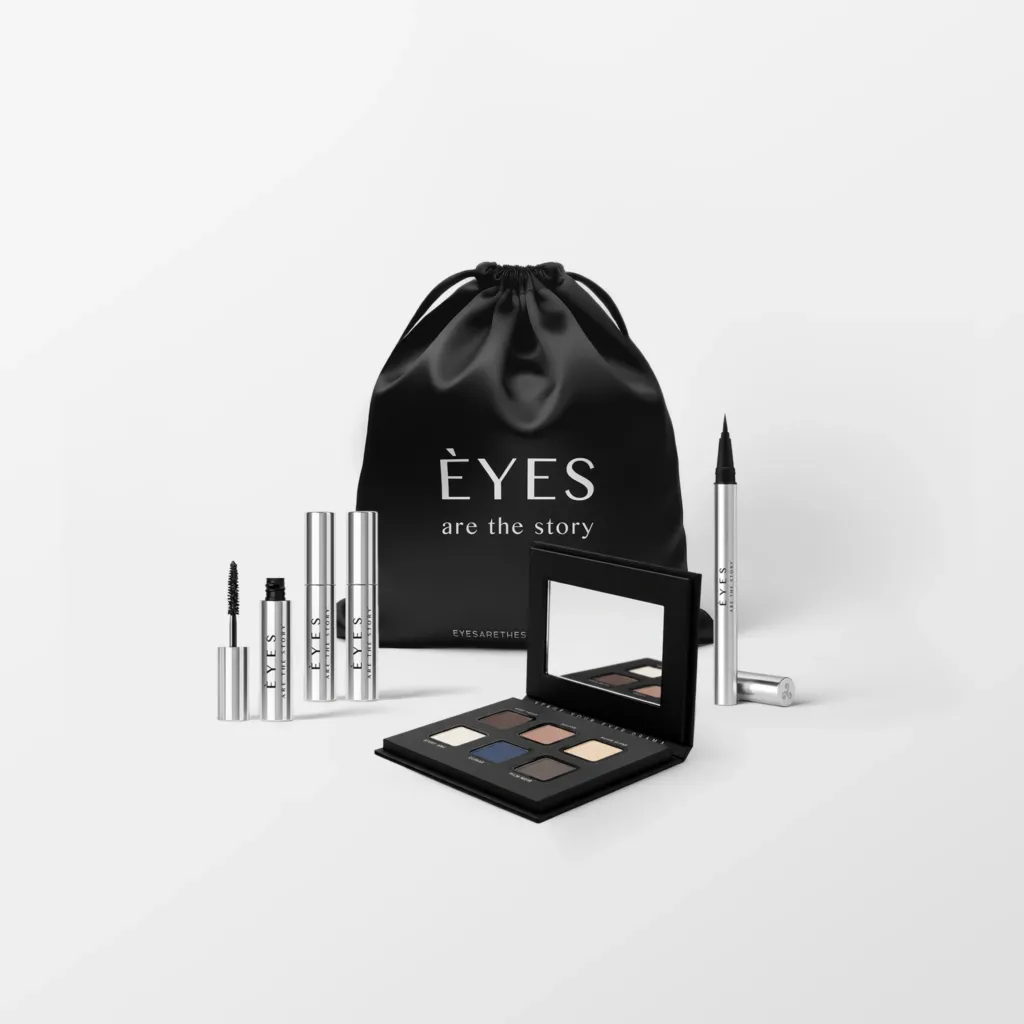
That is why we stock ÈYES ARE THE STORY, an eye-specific beauty range created for people who want high-performance makeup with eye comfort in mind.
ÈYES ARE THE STORY has been developed with input from eye care experts and is designed for sensitive eyes, dry eyes and contact lens wearers. The range includes eye makeup and eye-area products created to support the relationship between beauty, comfort and ocular surface health.
Who may benefit?
Eye-specific makeup may be worth considering if you:
- Experience dry, gritty, watery or irritated eyes
- Wear contact lenses
- Find regular mascara or eyeliner makes your eyes uncomfortable
- Notice makeup flaking, smudging or migrating into the eyes
- Have sensitive skin around the eyelids
- Have been diagnosed with dry eye, blepharitis or meibomian gland dysfunction
- Want a more eye-conscious approach to your beauty routine
Why makeup matters for eye comfort
The eyelids, lashes and tear film all play an important role in keeping the eyes comfortable. Some cosmetics, removers and skincare products can migrate into the eyes, leave residue, disrupt the tear film or make sensitive eyes feel worse.
For people with dry eye, contact lens discomfort, allergy-prone eyes or eyelid inflammation, reviewing makeup habits can be an important part of improving comfort.
At Darwin Eyecare, we can talk through your eye makeup routine as part of a dry eye assessment, contact lens consultation or general eye examination.
Available at Darwin Eyecare
ÈYES ARE THE STORY is available in practice at Darwin Eyecare in Darwin City.
Ask our team about eye-specific makeup, contact lens-friendly makeup habits, and ways to make your daily routine more comfortable for your eyes.
Book your Dry Eye Assessment
Dry eye is treatable, but the best results come from properly diagnosing the type, and targeting the treatment.
Book an assessment and we’ll guide you towards a more comfortable lifestyle, free from dry eye disease.
Patients from across Darwin, Palmerston, Casuarina, and the wider Top End visit Darwin Eyecare for specialist dry eye diagnosis and IRPL treatment.
Book online or contact us to make an appointment.

In Talking Eyes with Lien Trinh, Season 2 Episode 7, Lien Trinh dives into the surprisingly complex world of dry eye, the gritty, burning, screen-tired discomfort so many of us brush off, and the moment it shifts from “annoying” to a real disease. Joined by leading Australian researchers Holly Chinnery, Laura Downie and CeeCee Britten-Jones, she breaks down what dry eye actually is (spoiler: it’s an umbrella term), why symptoms can be wildly out of proportion to signs, how inflammation and different subtypes drive the experience, and what today’s treatments and emerging research are pointing towards, including the nuance around omega-3s and why post-surgical dry eye is so common. You’ll also hear from Mona, who shares the lived reality of chronic dry eye and its impact on daily life and mental wellbeing. Content note: this episode includes discussion of mental health and suicide, so please take care while listening.


